

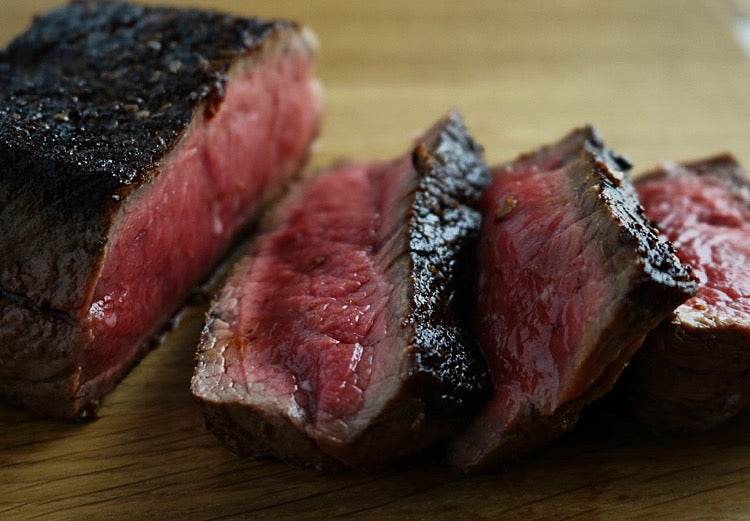
From Grill to Table: A Guide to Cooking a Great Steak
Let's fire up the grill and talk steak. There are a lot of cuts to choose from, and each one brings its own flavor and texture to the table.
Start with the classic ribeye. It's known for its marbling, which gives it a rich, beefy flavor and a tender, juicy texture. If you want to push it further, try dry aging your ribeye for a few weeks. That intensifies the flavor and tenderizes the meat.
Next is the New York strip. It's a bit leaner than the ribeye but still has plenty of flavor. To get it extra tender, try the reverse sear method: cook the steak low and slow until it reaches your target temperature, then finish with a quick sear over high heat.
If you want something different, give flank steak a try. It has a bold, beefy flavor but can turn tough if it isn't cooked right. Marinate it in soy sauce, honey, and fresh ginger to tenderize the meat and add flavor.
The Different Cuts of Steak
Each cut has its own flavor, texture, and level of tenderness. Here's a closer look at the common ones and the trade-offs of each.
Filet Mignon: The most tender cut, and usually the most expensive. It's cut from the tenderloin and has a buttery, melt-in-your-mouth texture, though it's not as flavorful as some other cuts.
Ribeye: Comes from the rib section. It's well-marbled with a rich, beefy flavor. It can be a bit fatty, but that fat keeps the steak juicy.
New York Strip: From the short loin, with a good balance of tenderness and flavor. Leaner than the ribeye, but still nicely marbled.
T-Bone: A cross-section of the short loin and the tenderloin. A large, bone-in steak with good marbling and flavor, though the tenderloin side can be a bit less tender.
Porterhouse: Similar to the T-bone but with a larger tenderloin portion, so it's even more tender. It's also more expensive.
Sirloin: A leaner cut from the rear of the cow. Not as tender as some others here, but it has a good beefy flavor.
Flank: A long, flat cut often used in fajitas and stir-fries. Good beefy flavor, but it can be tough if it isn't cooked properly.
Skirt: Similar to flank, with a similar flavor. A little tougher, but a good option for marinating and grilling.
Hanger: A less common cut that's catching on. Rich, beefy flavor and fairly tender, but it can get tough if overcooked.
Round: A lean cut often used for roast beef. It can be a bit tough, but it's quite flavorful.
The right cut for you comes down to your taste and how you like to cook. Whether you're after a tender, buttery filet mignon or a rich ribeye, there's a cut for everyone.
Now let's talk about how to cook it.
For that classic grilled flavor, fire up the barbecue. Preheat the grill and oil the grates so the steak doesn't stick.
For a more hands-off approach, smoke your steak. That infuses the meat with a smoky, wood-fired flavor.
No grill or smoker? You can still cook a great steak on the stovetop. Heat a cast iron skillet over high heat until it's smoking hot, add your steak, and sear a few minutes per side until it's cooked the way you like it.
However you cook it, season it well. For a classic steakhouse flavor, use a simple rub of salt, pepper, and garlic powder. If you want to branch out, make a marinade with balsamic vinegar, Dijon mustard, and fresh herbs.
Temperature Guidelines
Use a meat thermometer when grilling or smoking. The internal temperature is what tells you how done the steak is, so it's worth checking. Here's a quick guide:
- Blue rare: 115-125°F
- Rare: 125-130°F
- Medium rare: 130-135°F
- Medium: 135-145°F
- Medium well: 145-155°F
- Well done: 155°F and above
The temperature will rise a few degrees while the steak rests, so pull it off the grill or smoker a few degrees before your target doneness. Happy grilling.
How to Butter Age Steak: Kona's 60-Day Butter Aged Ribeye Recipe

Ready for a steak that's a little out of the ordinary? Our 60-Day Butter Aged Ribeye is exactly that.
This steak is aged in butter for 60 days, which gives it a melt-in-your-mouth texture and a rich, buttery flavor. The method behind it is the Kona grill mat and the reverse sear. Forget dry aging for this one, butter aging is where it's at.
First, you'll need a beef rib and some good quality butter. We're talking 6 blocks of salted butter at room temperature, plus rosemary, thyme, and minced garlic.
Take the beef rib and coat the entire thing in butter. Really get in there and encase the rib in it.
Once it's coated, vacuum seal it and set it in the refrigerator for 60 days. Yes, 60 days. It's worth the wait.
When it's time to cook, bring the beef to room temperature and fire up your grill. We're using a two-zone grilling method with a Kona grill mat for the reverse sear, with the final sear right on the grill grates.
Two-zone grilling is a popular method for cooking a range of dishes evenly. You divide the grill into two zones: one side with a Kona grill mat and no direct heat, and the other with direct heat, usually medium-high to high. The goal is to hold a temperature of around 400°F with the lid closed. The no-heat side gives you that melt-in-your-mouth tenderness, while the direct-heat side is for searing and building a crust.
Place the steak on the mat and season it with salt and pepper. Close the lid and leave it until it reaches an internal temperature of 130°F for medium rare.
Turn the direct-heat side (the non-mat side) to high and get the grill hot. When it's blazing, sear the steak about 1 minute per side, or until well charred.
Place the steak back on the Kona grill mat and flip it in the remaining butter. Add the thyme, rosemary, garlic, and a pat of butter to a bowl and microwave until the butter melts. Use a large spoon to ladle that herb butter over the top of the steak.
When it's done, take it off the grill and let it rest on a cutting board for 5 to 8 minutes before serving. Slice off a piece with a sharp butcher's knife and dig in.
This one's good enough that you'll want to make it again. A simple, delicious way to put a great steak on the table.
For more grilling tips and tricks, check out our blog.


Leave a comment
This site is protected by hCaptcha and the hCaptcha Privacy Policy and Terms of Service apply.